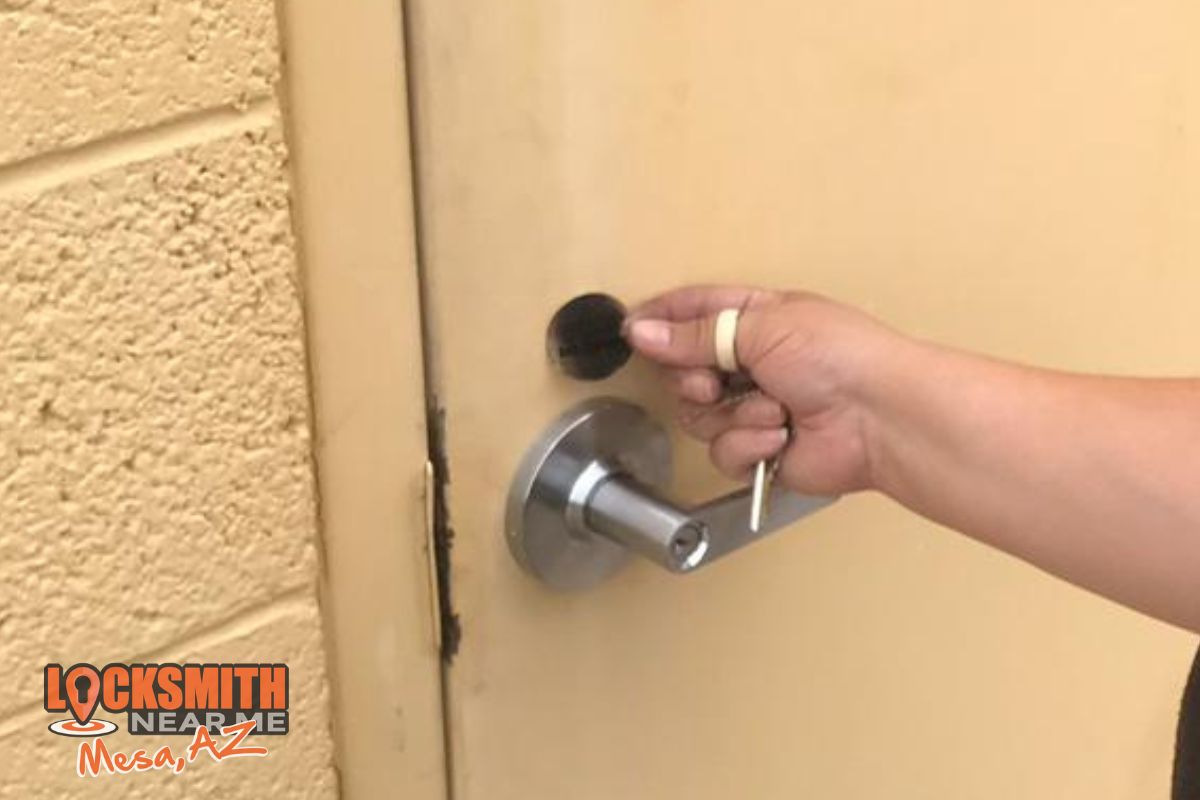
Commercial access control door service by locksmith in Mesa Arizona

Locksmith Mesa AZ: Why Locks Fail in Heat (and What We Check)

Most “sudden” lock failures in Mesa are alignment and tolerance problems—heat expands doors and frames, dust dries lubrication, and worn keys change cylinder timing. A locksmith isolates whether the issue is the key, cylinder, latch, strike plate, or door geometry, then corrects the friction/fit problem instead of forcing the hardware and causing damage.

In Mesa and the Phoenix Metro, you’ll see a pattern: the door locks fine early morning, then “acts up” mid-day, then behaves again at night. That swing isn’t random—it’s the lock system reacting to heat expansion, airborne dust, and daily wear.

If you’re trying to decide whether you need a rekey, a lock change, a realignment, or a deeper repair, start with the same logic we use in the field: isolate the moving parts and measure where friction is building. This guide reflects how our team approaches everyday calls across residential locksmith services in Mesa and nearby cities.

When the symptoms feel urgent, it’s tempting to force the key or slam the door. That usually turns a minor tolerance issue into a bent latch, cracked strike plate, or damaged cylinder. The better route is diagnosis first, then the correct repair path—especially if you’re dealing with a modern deadbolt, a worn keyway, or a smart lock that’s sensitive to alignment.

You can learn more about who we are on our About Us page, or reach out directly through our Contact page. Directions and reviews: Google Maps.

Why Mesa Heat and Dust Make Lock Problems Show Up “All at Once”

Heat changes dimensions. Not by inches—by fractions of a millimeter. But locks are tolerance devices. A deadbolt, latch, and strike plate can be perfectly happy until the door expands or the frame shifts just enough to create drag.

Dust changes friction. It mixes with old lubricant and becomes abrasive. In a keyway, that abrasive paste accelerates wear on both the key blade and the cylinder’s internal surfaces.

Wear changes timing. A key that’s rounded at the tip, worn along the bitting, or slightly twisted can still “kind of” work—until expansion and friction push the cylinder past its comfort zone.

Key takeaway: If a lock works in the morning and fights you mid-day, suspect alignment and friction—not “bad luck.”

What’s Actually Failing: Key, Cylinder, Latch, or Door Alignment?

When people say “the lock is broken,” they’re usually describing one of these:

1) The keyway + key blade interface

  • Keyway wear shows up as slop, rough insertion, or inconsistent turning.
  • Key blank wear (especially on copies of copies) changes how the pins/wafer surfaces line up.

Most residential door locks are pin-tumbler. Many automotive components (like some ignitions) use wafer behavior that reacts differently to worn keys. Either way, the principle is the same: worn metal + heat expansion = unreliable alignment.

2) The cylinder tolerances

Inside the cylinder, pins (or wafers) have to hit a precise shear line. Dirt, dry lubricant, and slight wear can push that tolerance over the edge. Sometimes the correct solution is to rekey the existing hardware; sometimes it’s smarter to replace the cylinder entirely depending on condition and security goals.

If you’re leaning toward rekeying, start here: rekey door locks.

3) Latch timing + strike plate alignment

If the latch/bolt doesn’t land cleanly in the strike opening, people force the door. That creates a cycle:

  • minor misalignment → forcing → more misalignment → early failure

Door sag, hinge wear, and frame movement all show up as latch timing problems. When this is the root cause, changing the lock without correcting alignment can repeat the problem.

For a full hardware refresh (especially after a move-in or tenant change), see: change locks.

4) Hardware type matters (handleset, deadbolt, mortise)

A handleset deadbolt installation has different alignment sensitivities than a basic knob-and-deadbolt setup. And mortise locks in commercial doors behave differently than cylindrical locks, especially when doors see heavy daily use.

If your storefront door uses mortise hardware, this is the right category to start: mortise lock repair.

Quick Diagnosis: Symptom → Likely Cause → What a Pro Checks

Symptom Likely cause What a pro checks
Key inserts rough keyway wear / debris keyway condition, debris load
Key turns hard mid-day expansion + drag door fit, latch path
Deadbolt won’t extend strike misalignment strike plate, bolt centerline
Door “needs a pull” to lock door sag hinge play, frame shift
Smart lock errors / jams misalignment bolt travel, door gap
Key works, then doesn’t worn key blank key wear, cylinder timing
Business door won’t latch closer/door geometry latch timing, strike opening
Car key turns rough ignition wear key wear, ignition feel (no bypass)

Key takeaway: We don’t start by guessing “replace the lock.” We start by proving what’s binding and why.

The Most Common Fix Paths for Mesa Homes

Rekey when the hardware is solid, but the key control is not

Rekeying makes sense when:

  • the lock body is in good shape
  • you want to control who has working keys
  • you’re dealing with inconsistent copies

Explore: rekey door locks.

Change the lock when the cylinder or body is worn, damaged, or outdated

Lock changes are the better move when:

  • the cylinder has excessive play
  • the keyway is severely worn
  • the lock has physical damage or corrosion

Start here: change locks.

Upgrade alignment-sensitive entry points with the right modern hardware

Smart locks add convenience, but they punish misalignment. If the bolt drags even slightly, the motor strains and reliability drops.

For modern installs and alignment checks, see: install smart lock and smart keyless deadbolt installation.

Don’t ignore secondary locks (mailboxes, side gates, interior doors)

Mailbox locks fail from dust + tiny components + constant key wear. If you’re fighting a sticky mailbox cam lock, this service page matches the issue: mailbox lock repair.

Commercial Doors in Mesa: Push Bars, Mortise Locks, and Access Control

Commercial doors take a different kind of abuse: higher cycles, tighter compliance requirements, and hardware stacks that must work together.

If your exit door uses panic hardware, reliability is about latch timing and door geometry as much as the bar itself. Start with these service pages:

For business security upgrades, two common paths are:

And when the hardware itself is worn from constant traffic, a refresh can be the cleanest fix: commercial lock change.

Key takeaway: On storefront doors, “it sticks” is often a door-and-frame problem before it’s a lock problem.

Vehicles: When a “Lock Issue” Is Really a Key + Authorization Issue

Automotive calls feel similar—key won’t turn, fob won’t work, the car won’t start—but modern vehicles add an authorization layer.

Here’s the safe, high-level way to think about it:

  • The mechanical side is the key blade interacting with an ignition/door cylinder (often with wafer-style behavior). Worn key edges can cause rough turning.
  • The electronic side is the transponder/immobilizer authorization concept: the vehicle expects a recognized credential before it allows operation (no bypasses, no shortcuts).

If your key is turning rough or intermittently, start here: auto ignition repair.

If the issue is the credential itself (lost/damaged keys or fobs), these pages match the intent:

For the full category scope, see: automotive locksmith services.

How to Choose a Legit Locksmith in Mesa Without Risking Your Property

A good locksmith call should feel structured and verifiable. Here’s what we recommend as a baseline (and how we operate):

  • Verify ownership/authorization before work begins (protects you and your property).
  • Get a written quote so pricing is clear before any changes happen.
  • Ask what they plan to check first (alignment, cylinder condition, key condition) before they suggest replacements.
  • Avoid anyone pushing destructive entry when a non-destructive diagnostic path exists.

If you need an outside checklist to compare providers, add your preferred references here:

When you’re ready to schedule or ask a question, use our contact page or start from the homepage.

Where This Applies Around Mesa and the Phoenix Metro

These heat-and-dust patterns show up across the Valley: Mesa, Phoenix, Tempe, Chandler, Gilbert, Scottsdale, and nearby areas where doors and frames see constant temperature swings and daily use.

If your issue overlaps home, business, and vehicle concerns, it’s normal to need more than one category:

FAQs

Why does my lock work at night but not during the day?

Heat expansion changes door and frame geometry, which can shift bolt alignment and increase friction. A locksmith checks strike alignment, door sag, and cylinder feel to confirm whether it’s alignment or internal wear.

Is it better to rekey or change the lock?

Rekeying is ideal when the lock hardware is still solid and you mainly need new key control. A lock change is smarter when the cylinder or body is worn, damaged, or outdated for your security needs.

Why does my key feel rough going into the lock?

Dust and dried lubricant can load the keyway, and worn key edges can scrape more than they should. A pro inspects the keyway condition and the key’s wear pattern to determine whether cleaning, rekeying, or replacement is appropriate.

Are smart locks more sensitive in Arizona heat?

Yes—smart lock motors are sensitive to drag. If alignment is off, the bolt travel strains, and reliability drops. The right fix usually involves alignment verification plus correct installation, not forcing the bolt.

My business door won’t latch unless I push hard—what’s happening?

That usually points to door geometry and latch timing, not just the lock. A locksmith checks strike placement, door closer behavior, and hardware wear to restore consistent latching.

Can a worn car key cause ignition problems?

Yes. Worn key edges can change how the ignition components align, which can create rough turning or intermittent behavior. A pro evaluates key wear and ignition feel and recommends the least invasive repair path.

Do you need to see ID before helping with a lock problem?

In legitimate service, authorization checks are normal—especially for vehicles, businesses, and restricted-access doors. It protects the customer, the property, and the technician, and it reduces liability and damage risk.

Closing Thoughts

If your lock is failing “out of nowhere” in Mesa, the odds are high it’s a tolerance and alignment issue made worse by heat, dust, and normal wear. The symptoms look dramatic, but the root cause is usually measurable.

The correct path forward is diagnosis first: confirm whether the friction is in the door geometry, the latch/strike relationship, the cylinder tolerances, or the key itself—then choose the right repair, rekey, or replacement strategy.

We’re a local Mesa team with an established office and a technician-led process built around verification, written quotes, and clean workmanship. If you want help identifying the true failure point, we’ll walk you through what we see and why we recommend a specific fix.

Call (480) 418-7560 to schedule service, or contact us through our Contact page. For background on our team and approach, visit About Us. Always avoid risky shortcuts—authorization checks, damage prevention, and high-security handling matter.
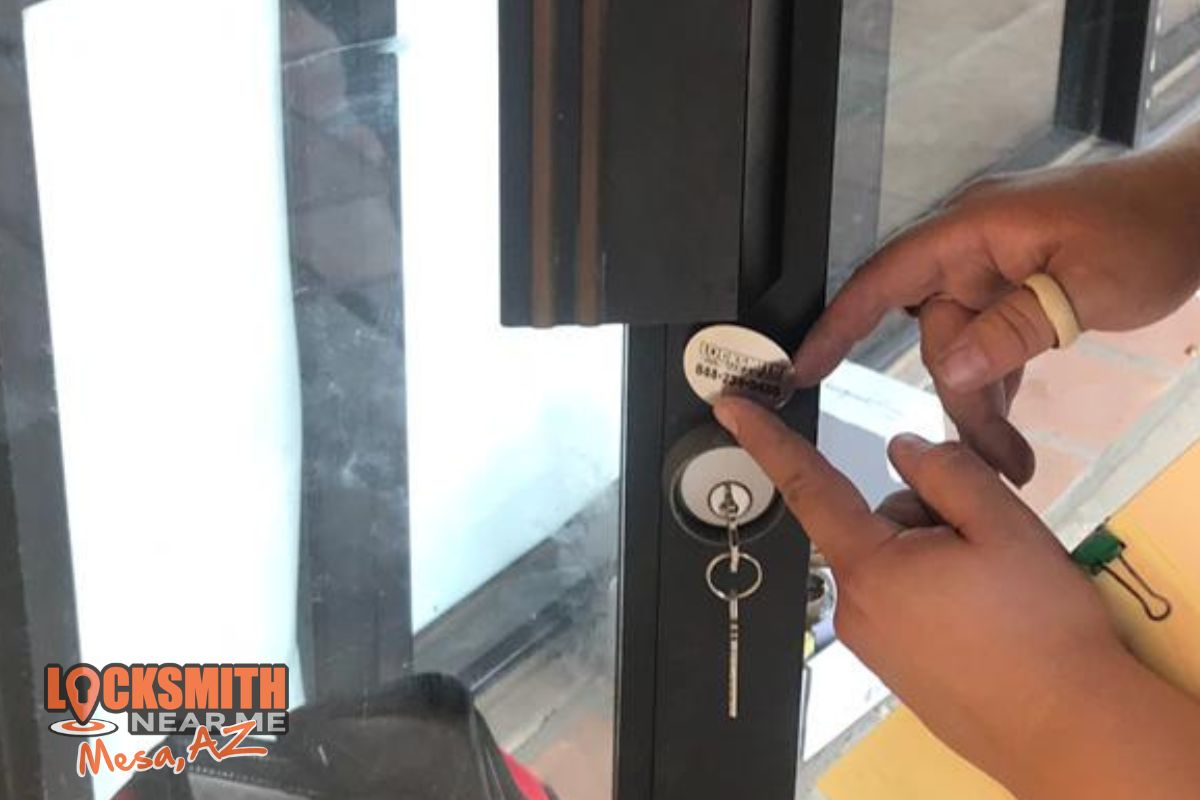
Locksmith opening commercial glass door lock in Mesa AZ

Mesa Locksmith AZ Guide: Rekey vs Lock Change vs Repair (Real-World Use Cases)

Most “lock problems” in Mesa aren’t random failures—they’re friction, alignment, or key-control issues that show up when heat expansion and dust push worn hardware past its tolerances. The right fix depends on what’s actually failing: the keyway/cylinder, the latch/strike alignment, or the door’s geometry—not just the lock brand.

If you’re in Mesa and the lock suddenly feels stiff, the key turns rough, or the deadbolt “almost” throws, you’re seeing a predictable pattern in the Phoenix Metro: doors and frames move with temperature, dust dries out lubrication, and everyday wear changes how tightly parts fit.

This is exactly the kind of call our team handles through our residential locksmith services—and the best outcomes happen when you choose the fix that matches the failure mode, not the most expensive option.

If you want to confirm what you’re dealing with before you spend money, this guide breaks down when to rekey, when to change locks, and when the real fix is repair/alignment work. Directions and reviews: Google Maps.

Rekey vs Lock Change vs Repair: What Each Really Means

Rekey (key control + cylinder reset, same lock hardware)

Rekeying changes the “key authorization” for a lock without replacing the entire lockset. In practical terms, you keep the same hardware on the door, but you stop old keys from working and issue a new key set.

What rekeying is best at:

  • Resetting access after a move, tenant turnover, employee separation, or lost keys
  • Fixing “too many copies” problems caused by worn key blanks and inconsistent duplicates
  • Standardizing keys across multiple doors when the lock hardware is still in good shape

Related services:

Key takeaway: Rekeying is a security + control decision as much as a mechanical decision.

Lock Change (new hardware or new lockset)

A lock change replaces the lock hardware because the existing components are worn, damaged, outdated, or you want a different level of security and convenience.

Common “change” triggers:

  • Excessive keyway wear or cylinder slop
  • A lock that binds even after alignment is corrected
  • You want a new format (handleset, upgraded deadbolt, smart lock)

Related service:

Key takeaway: Changing the lock makes sense when the hardware is the problem—or when your security goals changed.

Repair (restore function without changing the key system)

Repair means the lock system can be made reliable again by correcting the real cause: latch timing, door sag, strike plate alignment, worn internal parts, or commercial door hardware issues.

Repair is often the best call when:

  • The door must be pulled/pushed to lock
  • The deadbolt hits the strike plate or drags mid-day
  • A commercial door has cycle-related wear (high-traffic doors)

Related services:

Key takeaway: If the door alignment is off, replacing the lock can repeat the same failure.

Decision Matrix: Choose the Fix That Matches the Risk

Option Best when Addresses Does it change keys? Typical Mesa triggers
Rekey Hardware is solid Key control + cylinder setup Yes New home, tenant turnover, lost key
Lock change Hardware is worn/outdated Full hardware condition Yes Rough keyway, damaged lock, upgrade
Repair Door/hardware is misaligned Fit + timing + function No Heat binding, door sag, strike drag

Quick rule: If your goal is “who has access,” start with rekeying. If your goal is “this hardware is failing,” consider repair or a lock change depending on wear.

Why Mesa Heat Turns “Minor” Issues into Big Problems

Mesa and the Phoenix Metro have two forces that make borderline locks fail:

  • Heat expansion: Wood, metal, and composite doors shift by tiny amounts, but locks are tolerance devices. A small shift changes how smoothly a deadbolt travels into the strike pocket.
  • Dust + dry air: Dust loads the keyway and mixes with old lubricant. That increases abrasion inside the cylinder and accelerates key blank wear.

This creates the classic pattern: the lock “works fine” in the morning, then fights you in mid-day heat, then feels better at night. That swing points to alignment + friction, not random failure.

Quick Diagnosis: Symptom → Likely Cause → What a Pro Checks

Symptom you feel Likely cause What a pro checks (no risky shortcuts)
Key inserts rough debris + keyway wear keyway condition, wear patterns
Key turns hard only mid-day expansion + alignment drag strike alignment, bolt path
Deadbolt won’t fully throw strike pocket interference bolt centerline, travel resistance
Door must be “pulled” to lock door sag / latch timing hinge play, latch-to-strike timing
Smart lock grinds or errors misalignment under load bolt drag closed vs open
Lock feels loose/wobbly worn cylinder/lock body cylinder tolerances, mounting integrity
Storefront door won’t latch high-cycle wear mortise components, closer interaction

Bottom line: We isolate whether the problem is the key/cylinder, the latch/strike, or the door geometry—then recommend the least disruptive fix that restores reliability.

When Rekeying Is the Right Call in Mesa

Rekeying tends to be the best value when your hardware still has good “feel” and consistency, but you don’t trust the key history.

Choose rekeying when:

  • You just moved in and don’t know who has copies
  • A property changed hands (tenant, roommate, employee keys)
  • Keys feel inconsistent because there are too many duplicates in circulation
  • You want the convenience of fewer keys across multiple doors

Relevant services:

What rekeying won’t fix: a lock that’s binding due to door sag, a strike plate that’s off-center, or a cylinder that’s already worn beyond tight tolerances.

When a Lock Change Is the Smarter Move

A lock change makes sense when wear is visible in performance, not just in security concerns.

Choose a lock change when:

  • The keyway feels sloppy or unpredictable (classic “worn keyway” behavior)
  • The lock binds even after alignment work
  • The lock body is physically damaged or outdated for your needs
  • You want a functional upgrade (handleset, higher-grade deadbolt, keyless access)

Common upgrade paths on Mesa homes:

Mesa-specific reality: smart locks are less forgiving. If the deadbolt drags even slightly when the door is closed, the motor strains and reliability drops—so alignment testing matters before calling it a “bad lock.”

When Repair Is the Right Fix (Even If You Assume It’s the Lock)

Repair is the correct answer when the lock is a victim of geometry, not the culprit.

Residential repair scenarios

  • Door sag causes the latch/bolt to hit the strike plate edge
  • Heat expansion tightens the bolt path mid-day
  • Strike plate alignment creates drag and intermittent locking

If the issue appears on secondary points like mailboxes, small cylinders can be extra sensitive to dust and key wear:

Commercial repair scenarios

Commercial doors in Mesa see heavier cycles and tighter performance expectations. In many storefront cases, the “repair” involves restoring timing between hardware systems.

Relevant commercial services:

If your business is moving toward controlled entry instead of key sprawl:

If You’re Locked Out: Don’t Turn a Small Problem Into Damage

Lockouts often happen right when the lock is binding from heat or misalignment. Forcing the key, slamming the door, or using improvised methods can damage the cylinder, bend the latch, or crack trim—then your “lockout” becomes a full replacement.

If access is the immediate problem, start with the correct service:

Consumer Checklist: How to Vet a Locksmith Before They Arrive

You asked for real, ready-to-copy external resources with proper anchors. Here are three authoritative references you can keep in your post (and they align with what we recommend: verification, transparency, and avoiding bait pricing):

What to Expect When You Call a Mesa Locksmith (Our Standard Flow)

A professional visit should feel structured:

  1. Authorization check (protects you, your property, and the technician)
  2. Written quote before work so you can approve the scope
  3. Diagnosis: key/cylinder feel, latch timing, strike alignment, door geometry
  4. Options: rekey vs change vs repair, explained in plain terms
  5. Finish + verification: smooth function in real conditions (door open/closed, normal use)

If you want to learn more about our team and approach, start at our homepage or read About Us. If you’re ready to schedule service in Mesa, use our contact page.

FAQs

Should I rekey or change locks when I move into a Mesa home?

If the hardware is in good condition and you mainly need key control, rekeying is usually the cleanest option. If the locks are worn, binding, or outdated, a lock change can be the better long-term move.

What’s the clearest sign I need repair instead of replacement?

If the door only locks when you pull/push it into position, that points to alignment, door sag, or strike timing. A replacement lock won’t fix geometry by itself.

Can heat really make a lock fail in the middle of the day?

Yes. Small shifts in the door/frame change the bolt’s path into the strike pocket. In Mesa, the combination of heat and dust makes friction build faster than many homeowners expect.

If my smart lock works with the door open but struggles closed, what does that mean?

That usually points to resistance under load—misalignment between the deadbolt and strike area. A pro checks the bolt path and door closing behavior before blaming the electronics.

Is rekeying “less secure” than changing the whole lock?

Not automatically. Rekeying can be very secure when the hardware is solid and key control is your main concern. If you want restricted keyways or higher-grade hardware, that’s when an upgrade becomes part of the plan.

I have multiple doors—can you make them work with fewer keys?

Often, yes, when the hardware supports a consistent key plan. A locksmith evaluates the cylinders and recommends the most practical keying approach without sacrificing reliability.

What if this is a business door with heavy traffic?

Commercial doors fail differently because of cycle count and hardware stacks (mortise, closer interaction, panic hardware). The right fix may be repair, a commercial lock change, or moving toward controlled entry depending on the condition.

Do you verify ownership before doing locksmith work?

Yes—verification is a normal part of legitimate service, especially for lockouts, businesses, and vehicles. It reduces risk, prevents damage, and protects everyone involved.

Final Word: Pick the Fix That Matches the Failure

In Mesa, the most expensive option isn’t always the right option. Heat expansion, dust, and daily wear create predictable lock problems—and the correct solution comes from identifying whether the issue is key control, worn hardware, or alignment/timing.

If you want access control (who has working keys), rekeying is often the cleanest path. If the hardware itself is worn or you want an upgrade, a lock change is usually the better investment. If the door is dragging, sagging, or hitting the strike, repair/alignment work is what restores reliability.

Our team operates locally out of Mesa with a clear, technician-led workflow: authorization checks, written quotes before work, and a diagnosis-first approach so you don’t pay for the wrong fix.

Call (480) 418-7560 to discuss your situation and schedule service. If you’re locked out or dealing with a high-security concern, avoid risky shortcuts—verification and damage prevention matter.

car lockout Mesa AZ

What to Do If You’re Locked Out of Your Car in Mesa, AZ

Experiencing a car lockout Mesa AZ is more than just a minor inconvenience; it is a stressful disruption to your busy day, especially under the intense Arizona sun. Whether you left your keys in the ignition at the Mesa Riverview or lost them while hiking in Usery Mountain, we understand the urgency of your situation. Our team provides immediate, professional solutions to get you back on the road safely and quickly. We specialize in damage-free entry for all vehicle makes and models. Don’t let a lockout ruin your schedule—read on to discover how our expert technicians resolve these emergencies with precision.

Safety & Quality Assurance: Every repair is handled by a licensed and insured technician who takes the time to inspect your problem before starting any work. We prioritize the integrity of your vehicle’s locking mechanisms and electronic systems.

Why Professional Car Lockout Mesa AZ Services Are Essential

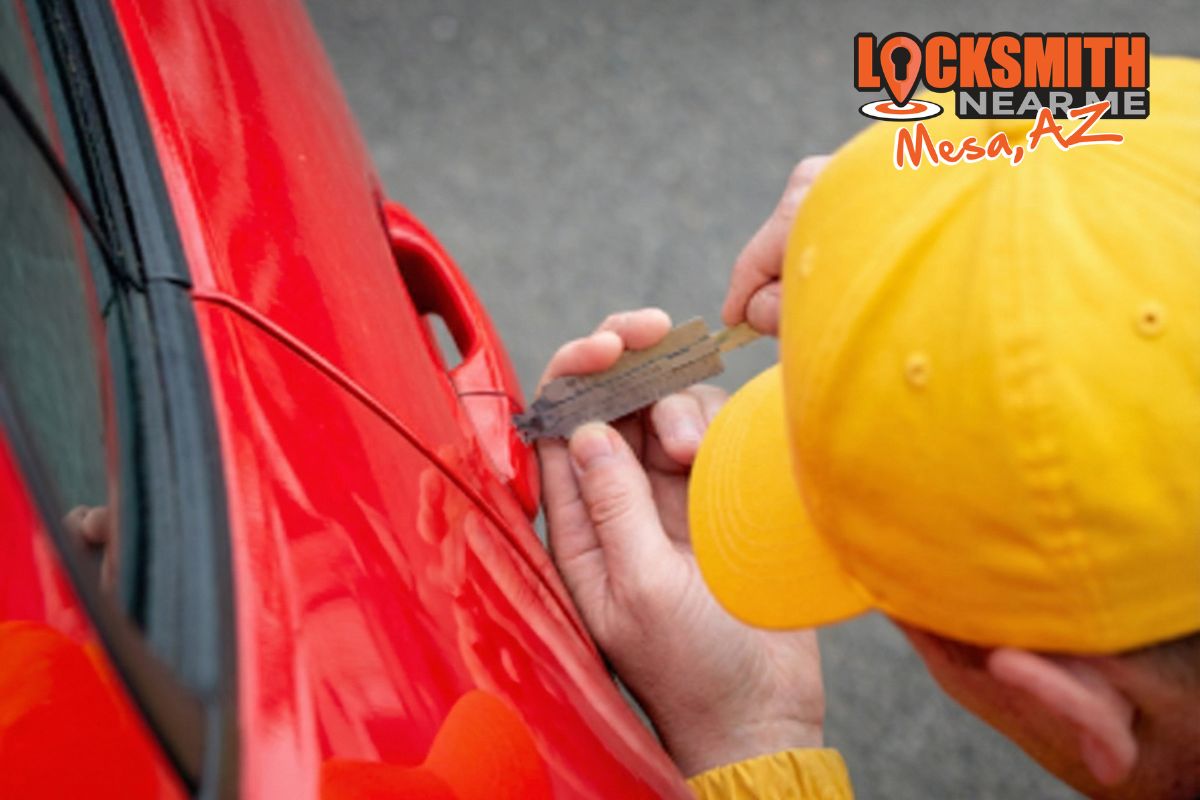
When you find yourself staring at your keys through a locked window, the temptation to use a coat hanger or a “slim jim” can be high. However, modern vehicles are equipped with complex wiring and side-impact airbags that can be easily damaged by DIY attempts.

As a leading automotive locksmith, we utilize specialized tools like air wedges and long-reach tools that bypass the lock without scratching the paint or damaging the weather stripping. In Mesa, Arizona, vehicle security has evolved, and our services have evolved with it.

Pro Tip: Always check all doors and the trunk before calling for help. Sometimes a rear door is left unlocked, saving you the cost of a service call.

Common Scenarios for Automotive Lockouts

  1. Keys Locked in the Trunk: Often happens while loading groceries or luggage.

  2. Lost Transponder Keys: Requires not just unlocking but also residential locksmith style precision for key cutting if you are at home.

  3. Broken Key in Ignition: Requires extraction and a new key.

  4. Faulty Door Locks: When the mechanical components fail despite having the key.

Service Type Average Response Time Best For
Standard Unlock 15-30 Minutes Keys visible inside cabin
Trunk Opening 20-35 Minutes Keys locked in rear cargo
Key Extraction 30-45 Minutes Broken keys in lock/ignition

The Hazards of DIY Car Unlocking in Arizona

In the heat of Arizona, metal components of your car expand. Trying to force a lock during a car lockout Mesa AZ can result in permanent damage to the actuator. Furthermore, many newer vehicles have “deadlock” features that render traditional bypass methods useless.

By choosing a commercial locksmith grade professional, you ensure that your vehicle’s warranty remains intact. We see many customers who tried to save money by prying the door frame, only to end up with a permanent whistle from wind noise at high speeds on the Loop 202 or US 60.

Our Specialized Lockout Process

  • Step 1: Rapid Dispatch: We identify your exact location in Mesa using GPS.

  • Step 2: Identification: We verify ownership of the vehicle for your protection.

  • Step 3: Non-Destructive Entry: We use professional-grade wedges and reach tools.

  • Step 4: Functionality Test: We ensure the lock and electronics work perfectly before leaving.

Emergency Assistance in Mesa, Arizona

Lockouts don’t happen on a schedule. Whether it’s 3:00 AM after a late shift or during the morning school run, our car lockout Mesa AZ team is stationary across the city to provide contact us level response times. We cover all major neighborhoods including:

  • East Mesa / Apache Junction border

  • Mesa Grande

  • Dobson Ranch

  • Las Sendas

If you are near mesa area, we can usually reach you in under 20 minutes.

Advanced Automotive Security Solutions

Beyond just opening doors, we handle complex security issues. If your car lockout Mesa AZ was caused by a lost high-security transponder key, we have the mobile equipment to program a new one on-site. This is a much more affordable alternative to towing your car to a local dealership.

Our about us page details our commitment to keeping up with the latest automotive technology, from proximity fobs to VATS systems. We don’t just open the car; we solve the underlying problem that caused the lockout in the first place.

Frequently Asked Questions (FAQ)

How much does it cost for a car lockout in Mesa, AZ?

Prices vary based on the vehicle’s complexity and the time of day, but we provide transparent, upfront estimates before any work begins.

Will unlocking my car damage the door or window?

No. When performed by our licensed technicians, we use air-pump wedges and plastic-coated tools to ensure zero damage to your vehicle.

How long will it take for a locksmith to arrive in Mesa?

Typically, our technicians arrive within 15 to 30 minutes depending on traffic conditions in the Mesa, AZ area.

Can you unlock a car if the keys are in the trunk?

Yes, we have specialized techniques to access the trunk, either through the cabin or via professional lock manipulation.

Do you provide services during holidays or weekends?

Yes, we offer 24/7 emergency car lockout services in Mesa, Arizona, including all holidays and weekends.

What information do I need to provide for a lockout service?

You will need to provide the make, model, and year of the car, your exact location, and proof of ownership once we arrive.

Can you make a new key if I lost mine during the lockout?

Absolutely. We are equipped to cut and program new transponder keys and fobs right there at your vehicle’s location.

Is it safe to call a locksmith for a high-end luxury vehicle?

Yes, our technicians are trained to handle high-security systems found in luxury brands like BMW, Mercedes, and Lexus without causing any system errors.

Trust the Experts for Your Car Lockout Mesa AZ

Dealing with a car lockout Mesa AZ requires a blend of speed, skill, and integrity. We have built our reputation on being the most reliable locksmith near me for over a decade. By choosing us, you are opting for a service that values your time and your vehicle’s safety. We ensure that every customer is treated with respect and that every job is finished to the highest standard of excellence.

If you found this guide helpful, you might also want to read our article on How to Prevent Future Car Lockouts with Smart Key Technology.

Need Immediate Help?

Our technicians are on standby throughout Mesa right now.

BOOK A TECHNICIAN NOW

home security Mesa AZ

Home Security Mesa AZ: The Ultimate Guide to Residential Protection

Overview: As Mesa grows, homeowners face evolving safety challenges. This guide provides a deep dive into local security trends, hardware upgrades, and proactive measures to fortify your residence against modern threats.

Enhancing Your Home Security in Mesa, AZ: A Strategic Approach

In Mesa, protecting your property is a top priority for every homeowner. Whether you live near the vibrant downtown area or in the quiet suburbs of East Mesa, maintaining robust home security Mesa AZ standards is essential to deterring intruders. We understand that a house is more than just a building; it’s a sanctuary. That is why we have compiled this expert resource to help you navigate the complexities of modern residential locksmith solutions and security protocols. Our goal is to empower you with the knowledge needed to make informed decisions about your family’s safety.

Expert Commitment: “Every repair is handled by a licensed and insured technician who takes the time to inspect your problem before starting any work.” This ensures that your home security Mesa AZ infrastructure is not just installed, but engineered for maximum reliability.

Why Local Context Matters for Mesa Residents

Mesa, Arizona, presents unique environmental and situational factors that affect security hardware. The extreme heat of the Sonoran Desert can degrade cheaper plastic components in digital locks, and local crime patterns often dictate which entry points are most vulnerable. By focusing on high-quality services, you ensure that your hardware stands up to both the elements and potential threats.

Common Vulnerabilities in Arizona Homes

  • Sun-Damaged Seals: Weather stripping that cracks in the heat can make doors easier to pry.

  • Standard Grade 3 Locks: Many builders install the cheapest locks available, which are easily bypassed by “bumping.”

  • Sliding Glass Doors: A common feature in Mesa homes that serves as a primary entry point for burglars if not properly reinforced.

Security Component Standard Setup High-Security Upgrade
Deadbolts Grade 3 (Consumer) Grade 1 (Commercial Strength)
Door Frames Pine with 1/2″ screws Reinforced Steel Strips + 3″ screws
Key Control Keys duplicatable anywhere Restricted Keyways (Patented)

Layered Security: The “Defense in Depth” Model

Effective home security Mesa AZ isn’t about one single “unbreakable” lock; it’s about creating layers that make your home an unattractive target.

1. Perimeter and Lighting

The first layer starts at your property line. Motion-activated lighting is particularly effective in Mesa’s residential neighborhoods. Use LED fixtures that illuminate dark corners without creating glare that hides intruders.

2. High-Security Hardware

We recommend upgrading to pick-resistant and drill-resistant cylinders. Brands like Medeco or Mul-T-Lock provide a level of physical resistance that standard hardware stores simply cannot match. If you are a business owner in the area, you might also consider commercial locksmith grade hardware for your home office.

3. Smart Integration

Smart locks allow you to monitor who enters and leaves your home in real-time. This is invaluable for tracking dog walkers, contractors, or kids coming home from school. However, ensure your Wi-Fi network is encrypted to prevent digital intrusions.

  • Strike Plate Reinforcement: Replace standard strike plates with heavy-duty versions using 3-inch screws that anchor deep into the wall stud.
  • Window Security Film: Apply a transparent security film to make glass shatter-resistant.
  • Smart Doorbells: Act as a visual deterrent and provide video evidence of any suspicious activity.

Technical Maintenance of Mesa Residential Locks

Arizona’s dust and heat can cause internal lock components to seize. We advise against using oil-based lubricants, which attract desert grit. Instead, use dry Teflon or graphite-based lubricants. Regular check-ups by a licensed technician can prevent emergency lockouts.

If you find yourself in a situation where your security has been compromised, or you’ve simply lost your keys, knowing a reliable automotive locksmith or residential specialist is crucial. You can find our primary location on the [enlace sospechoso eliminado].

The Importance of Professional Assessment

While DIY security kits are popular, they often miss critical structural weaknesses. A professional contact us consultation allows us to identify “blind spots” in your current setup. For instance, many people forget to secure the door leading from the garage into the house, which is a frequent entry point for burglars who manage to open the garage door.

Improving Home Security Mesa AZ: Long-Term Strategies

To maintain high levels of home security Mesa AZ, you must treat it as an ongoing process rather than a one-time project. As technology evolves, so do the methods used by intruders.

  • Audit your keys: If you’ve recently moved in, rekeying is the first step to ensuring you have total control over who has access.

  • Update Codes: If using keypad locks, change your master codes every six months.

  • Community Awareness: Join local Mesa neighborhood watch programs to stay informed about recent activity in your specific ZIP code.

Frequently Asked Questions (FAQ)

What is the best lock for Mesa’s extreme heat?

High-grade metal locks with PVD finishes are best. Avoid locks with heavy plastic exterior components, as they can warp or become brittle under the Arizona sun.

How often should I rekey my home in Mesa?

We recommend rekeying whenever you move into a new property, lose a set of keys, or have a change in household residents.

Are smart locks secure enough for Mesa neighborhoods?

Yes, provided they are Grade 1 or 2 certified and use two-factor authentication for their digital apps.

How can I secure my sliding patio door?

Use a secondary locking bar (charlie bar) and anti-lift blocks to prevent the door from being lifted off its tracks.

Does a security system reduce my insurance?

Most Arizona insurance providers offer discounts for homes with monitored alarm systems and deadbolts on all exterior doors.

What is a “bump-proof” lock?

These locks feature specialized internal pins or sidebars that prevent “lock bumping,” a common technique used by intruders to open standard pin-tumbler locks.

Should I install security cameras myself?

While DIY is possible, professional placement ensures no blind spots and proper integration with your physical locks.

How do I know if my locksmith is legitimate?

Always check for a physical address in Mesa, a valid business license, and insurance. Our team at Locksmith Near Me Mesa AZ meets all these criteria.

Your Partner in Home Security Mesa AZ

Securing your home is a journey that requires vigilance and the right professional partnership. By implementing a layered defense—from reinforced strike plates to smart monitoring—you significantly reduce the risk of burglary. Remember, home security Mesa AZ is most effective when it is customized to your specific property layout and lifestyle. We are committed to providing the Mesa community with the expertise and high-quality hardware needed to sleep soundly at night.

Ready to Fortify Your Mesa Home?

Don’t wait for a security breach to happen. Contact our expert team for a comprehensive residential audit.

Explore Residential Solutions